購物車內沒有產品。

A small restaurant, you can eat Chinese-style Xiamen fried rice, Fujian fried rice, and have the opportunity to taste Southeast Asian Xingzhou fried rice, Thai-style Phnom Penh noodles, Bak Kut Teh, and even Western-style fried rice, Swiss chicken wings, etc. joined Hong Kong The “Western” cuisine of the food culture, the most important thing is that you can eat “pineapple oil” and “rice on a plate” that represent Hong Kong’s food culture, and drink a cup of thick and smooth “silk stocking milk tea” or “mandarin duck”. This small restaurant is the “Chaji” tea restaurant that can be seen everywhere in Hong Kong, and there is always a tea restaurant nearby.
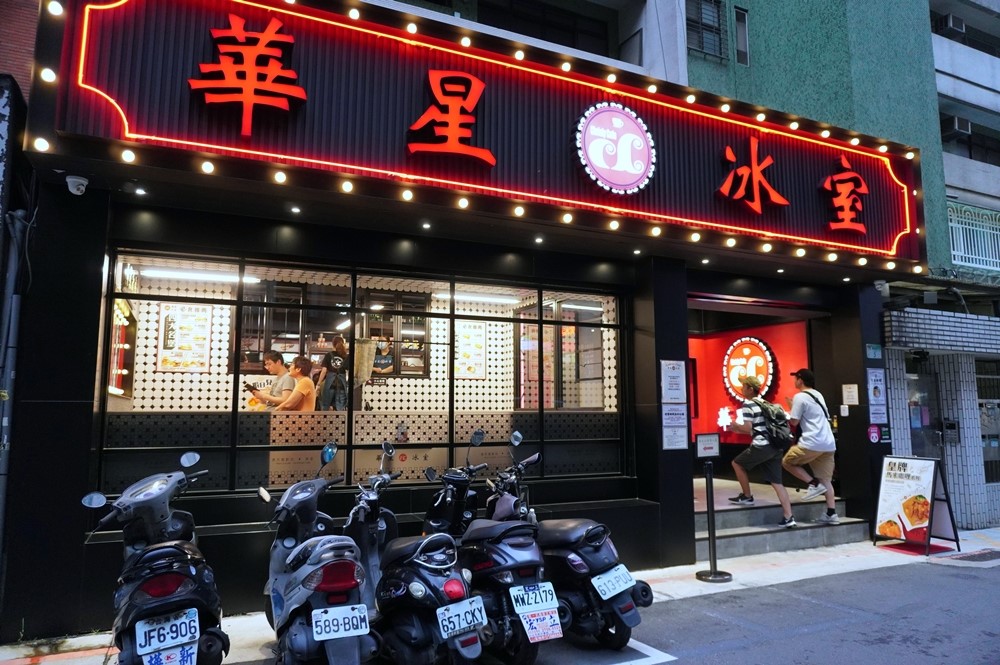
The tea restaurant originated from the ice room, representing the continuation of Hong Kong’s food culture
Tea restaurants are an integral part of Hong Kong’s food culture. You may have heard that the tea restaurant’s predecessor was the popular ice room in the last century. In the 1950s, icehouses were popular in Hong Kong, mainly providing frozen foods such as cold drinks, ice cream, and smoothies. At that time, the “snack license” held by icehouses could only sell snacks such as sandwiches and drinks. At that time, only western restaurants in Hong Kong provided western food, but the price was too high for common people to afford.
The tea restaurant “Soy Sauce Western Cuisine” that joins Hong Kong’s food culture
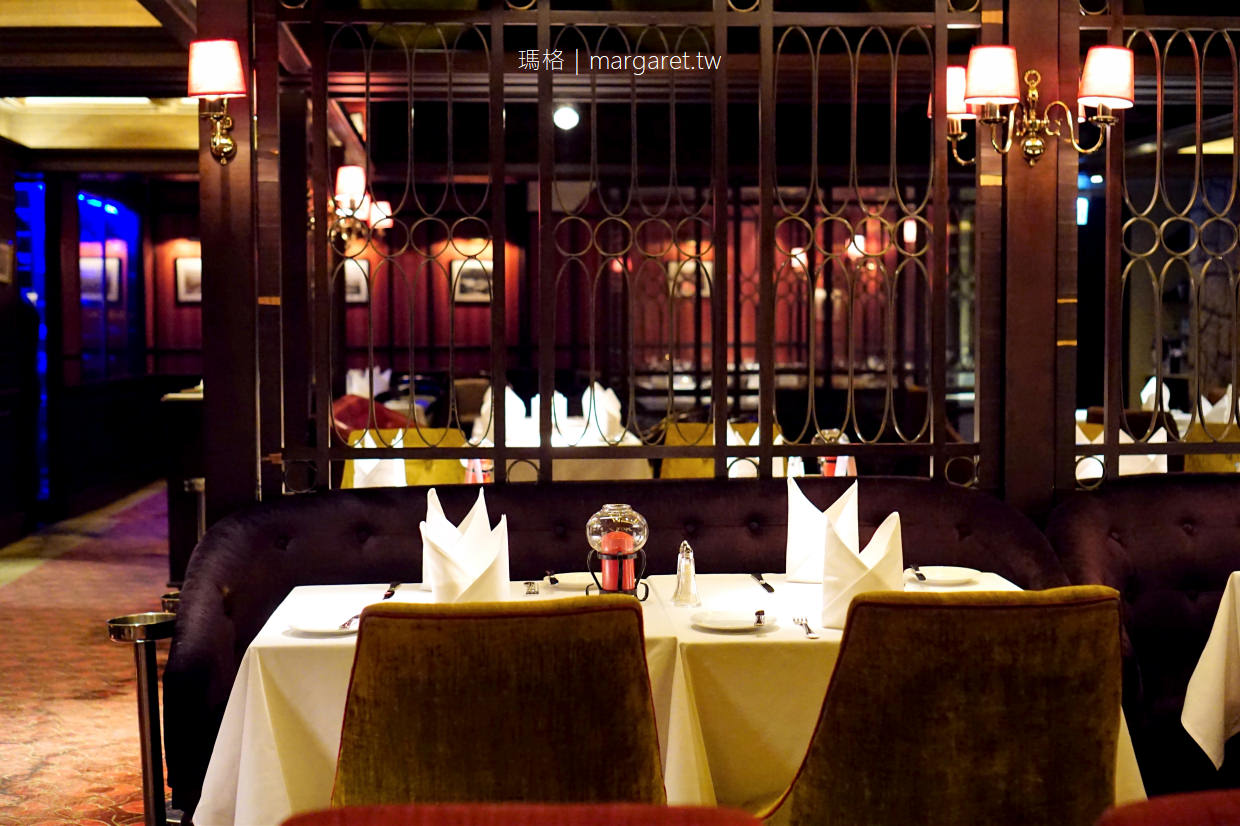
In the 1960s, Hong Kong’s industry was booming. In order to meet the needs of the working class, some icehouses began to obtain restaurant licenses and transformed into tea restaurants. They provided Hong Kong-style western food that imitated high-end western restaurant food but added Hong Kong’s food culture at ordinary prices. ,that is, “Western food with soy sauce” that combines Chinese and Western food.